Choosing the Right Web Design Agency in Malaysia
A polished proposal does not tell you whether an agency will deliver a website your team can own, maintain and improve. The safer choice is to compare evidence: working examples, a written handover plan, measurable quality checks and honest limits.
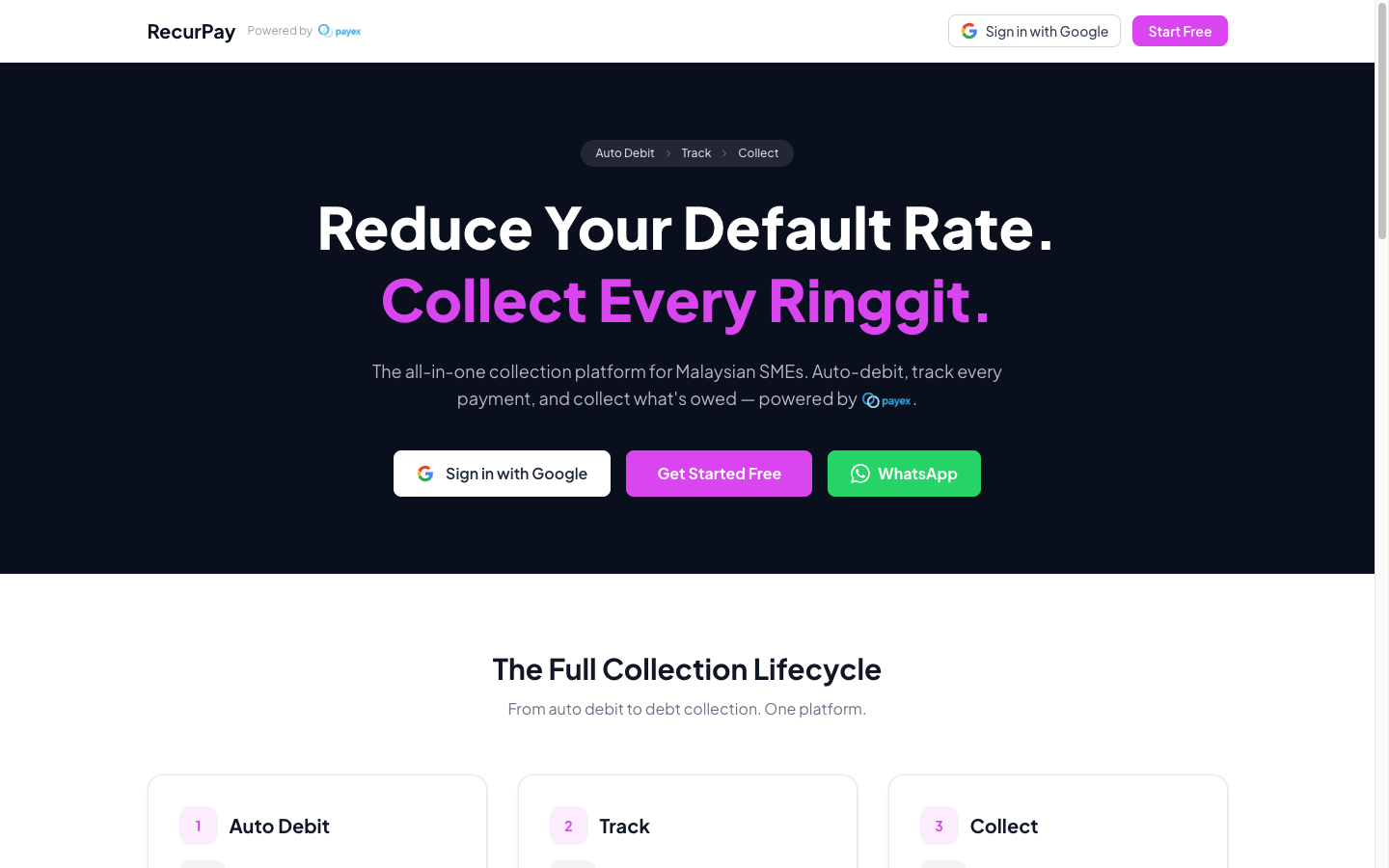
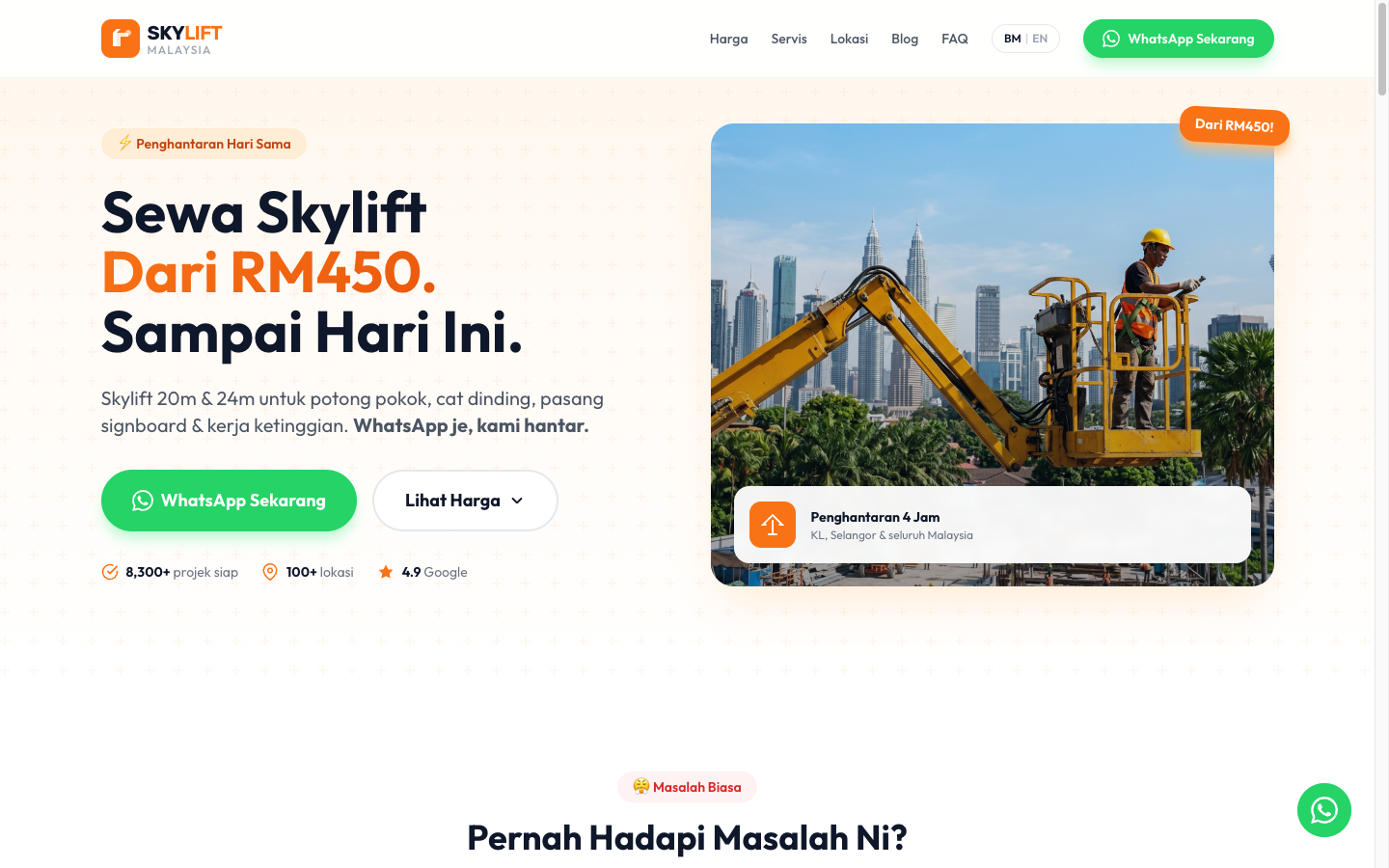
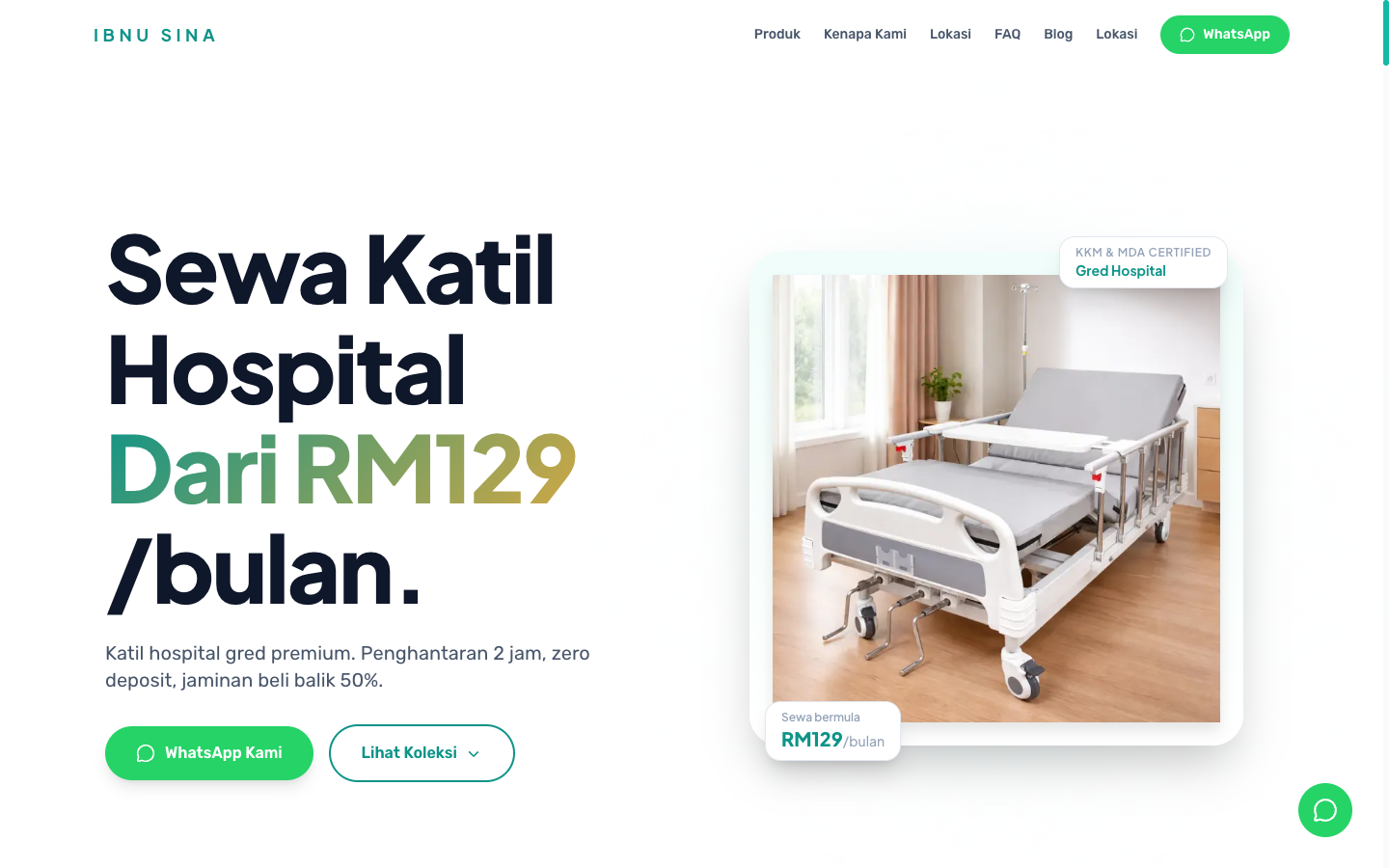
This guide uses current Google and W3C guidance alongside public Malaysian website examples. The screenshots illustrate design decisions only; any commercial claims visible inside those pages are not treated as independent evidence.
Start with work you can inspect
Ask for live examples that resemble your business problem, not only a visual mood board. Open those sites on a phone, try the main contact or checkout path, and ask the agency to explain the trade-offs it made.
A useful portfolio conversation covers three things:
- What the customer needed to accomplish
- Which parts the agency designed and built
- How the result is maintained after launch
Google's guidance for hiring SEO help makes a similar point: examine previous work, request references and be cautious when expectations sound unrealistic. The same evidence-first approach is useful when choosing a web design partner.
Put ownership and handover in writing
Before paying a deposit, write down who will own and control each critical asset: the domain name, hosting account, source-code repository, analytics, Search Console, design files, written content, image licences and administrator access.
Also define what happens at handover. Your team should know how to update content, where backups live, how defects are reported, and what support is included after launch. This is buyer guidance rather than a statement of law, but it prevents a common operational problem: a website that technically exists while the customer cannot safely manage it.
Sources: [5]
Ask for tests, not vague promises
A good agency should be able to explain how it will test the finished site. For performance, Google's current Core Web Vitals guidance uses three user-experience measures: Largest Contentful Paint for loading, Interaction to Next Paint for responsiveness, and Cumulative Layout Shift for visual stability. Google's good-experience thresholds are 2.5 seconds or less for LCP, 200 milliseconds or less for INP, and 0.1 or less for CLS.
For mobile delivery, Google says it uses the mobile version of a site's content for indexing and ranking and recommends responsive design as the easiest pattern to implement and maintain. For accessibility, WCAG 2.2 provides testable criteria under four principles: perceivable, operable, understandable and robust.
Ask the agency which tools it will use, what will be tested on real devices, and which findings must be fixed before acceptance. A single perfect-looking desktop screenshot is not a test plan.
Treat guaranteed rankings as a warning
A web agency can improve technical foundations, content structure and measurement. It cannot honestly guarantee first place in Google. Google's own hiring guidance warns that nobody can guarantee a number-one ranking.
Replace ranking promises with measurable questions: Will every important page have a clear purpose? Will redirects and canonical URLs be checked? Will analytics and Search Console be connected to accounts your business controls? How will the agency report what changed and what happened afterward?
This produces a more useful contract because both sides can verify the work without pretending to control Google's results.
Sources: [5]
Compare proposals on the same scorecard
Price matters, but only after the proposals cover the same outcome. One quotation may include content migration, responsive layouts, analytics and post-launch support while another covers only a small set of page designs.
Use a simple scorecard and require each agency to mark what is included, excluded or optional. If an answer is vague, treat it as unresolved rather than assuming it is included.
Sources: [5]
Make the final interview practical
Ask the people who will actually run the project to walk through one realistic scenario: a page is late, a mobile layout fails, or your team needs to change a key message after launch. Their response will reveal more than a generic capabilities presentation.
The best fit is not automatically the biggest or cheapest agency. It is the team that can show relevant work, name its assumptions, document ownership, explain testing and communicate clearly when something changes.
Sources: [5]
A simple agency comparison scorecard
| Area | Evidence to request | Warning sign |
|---|---|---|
| Relevant work | Live examples and a clear explanation of the agency's role | Only mock-ups or unexplained logos |
| Ownership | Named owner for domain, hosting, repository and admin accounts | Agency-controlled accounts with no handover plan |
| Quality | Mobile, performance, accessibility and browser acceptance checks | Looks good on one laptop |
| Delivery | Milestones, revision limits, responsibilities and launch checklist | Important scope left verbal |
| Support | Written warranty or support window and response path | No owner after launch |
Questions to answer before paying a deposit
- Can we inspect two or three relevant live projects?
- Which named accounts and files will our business own?
- What is explicitly included and excluded from the quotation?
- How will mobile, performance, accessibility and browser quality be tested?
- Who supplies and approves the words, images and product information?
- What are the milestones, revision limits and acceptance criteria?
- What support is included after launch, and for how long?
- How will changes, delays and new costs be communicated?
FAQ
Should I choose a freelancer or an agency?
Choose based on the scope and the evidence, not the label. A focused freelancer may suit a small, clear project. A multi-discipline agency may suit work that needs strategy, design, engineering, content and ongoing support. In both cases, verify ownership, testing and handover.
Can a web design agency guarantee my Google ranking?
No agency can honestly guarantee first place. Google explicitly warns against guaranteed number-one rankings. Ask instead for a documented technical and content plan, access to your own analytics accounts, and measurable reporting.
What should I own after the website launches?
Your agreement should clearly name the owner of the domain, hosting, source code, content, design files, analytics, Search Console, administrator access and licensed assets. The exact arrangement can vary, but it should never be left unclear.
How do I compare quotations that look different?
Normalize them into the same scorecard: pages and features, content work, migration, testing, account ownership, launch responsibilities, revision limits and support. Compare price only after the scope is comparable.
Key takeaways
- Inspect relevant live work and ask the agency to explain its role and decisions.
- Put ownership, handover, scope and acceptance checks in writing before paying.
- Use current mobile, Core Web Vitals and accessibility guidance as measurable quality inputs.
- Reject guaranteed rankings and replace them with evidence, access and reporting.
- Compare all proposals on the same scorecard before comparing price.
Sources and image provenance
- Kreativ Studio work and portfolio — Kreativ Studio. Checked 31 August 2026 (HTTP 200).Provenance link only; not used as independent claim evidence.
- RecurPay public website — RecurPay. Checked 31 August 2026 (HTTP 200).Provenance link only; not used as independent claim evidence.
- Skylift Rental Malaysia public website — Skylift Rental Malaysia. Checked 31 August 2026 (HTTP 200).Provenance link only; not used as independent claim evidence.
- Ibnu Sina Care public website — Ibnu Sina Care. Checked 31 August 2026 (HTTP 200).Provenance link only; not used as independent claim evidence.
- Do you need an SEO? — Google Search Central. Checked 31 August 2026 (HTTP 200). Primary source.Evidence used: Google advises reviewing prior work and references and warns that nobody can guarantee a number-one ranking.
- Mobile site and mobile-first indexing best practices — Google Search Central. Checked 31 August 2026 (HTTP 200). Primary source.Evidence used: Google documents mobile-first indexing and recommends responsive web design as the easiest pattern to implement and maintain.
- Understanding Core Web Vitals and Google search results — Google Search Central. Checked 31 August 2026 (HTTP 200). Primary source.Evidence used: Google defines the current LCP, INP and CLS good-experience thresholds used in this guide.
- WCAG 2 Overview — W3C Web Accessibility Initiative. Checked 31 August 2026 (HTTP 200). Primary source.Evidence used: W3C publishes WCAG 2.2 and its perceivable, operable, understandable and robust principles.
Image provenance
- Public website screenshot captured 30 August 2026 — captured 30 August 2026 via Playwright browser screenshot of the resolved source URL. Screenshot of a public website used for design commentary; no ownership of the depicted brand or page content is claimed. Depicted content: RecurPay and its respective rights holders. Review: Machine-verified in browser; format approved by CY on 31 August 2026. SHA-256:
0519ca805feb1840560b77a787373bcc3a9bd96250a39f63392ef7a38b7d1aeb - Public website screenshot captured 30 August 2026 — captured 30 August 2026 via Playwright browser screenshot of the resolved source URL. Screenshot of a public website used for design commentary; no ownership of the depicted brand or page content is claimed. Depicted content: Skylift Rental Malaysia and its respective rights holders. Review: Machine-verified in browser; format approved by CY on 31 August 2026. SHA-256:
d57ba990eb94e0363f0dca5d615fe60ad8fcd4172b79603bc20e76a5bff30045 - Public website screenshot captured 30 August 2026 — captured 30 August 2026 via Playwright browser screenshot of the resolved source URL. Screenshot of a public website used for design commentary; no ownership of the depicted brand or page content is claimed. Depicted content: Ibnu Sina Care and its respective rights holders. Review: Machine-verified in browser; format approved by CY on 31 August 2026. SHA-256:
a7d433ab14352d68bf69ff35a38d26089b9fd6f281426638bd79433614f6b9a2